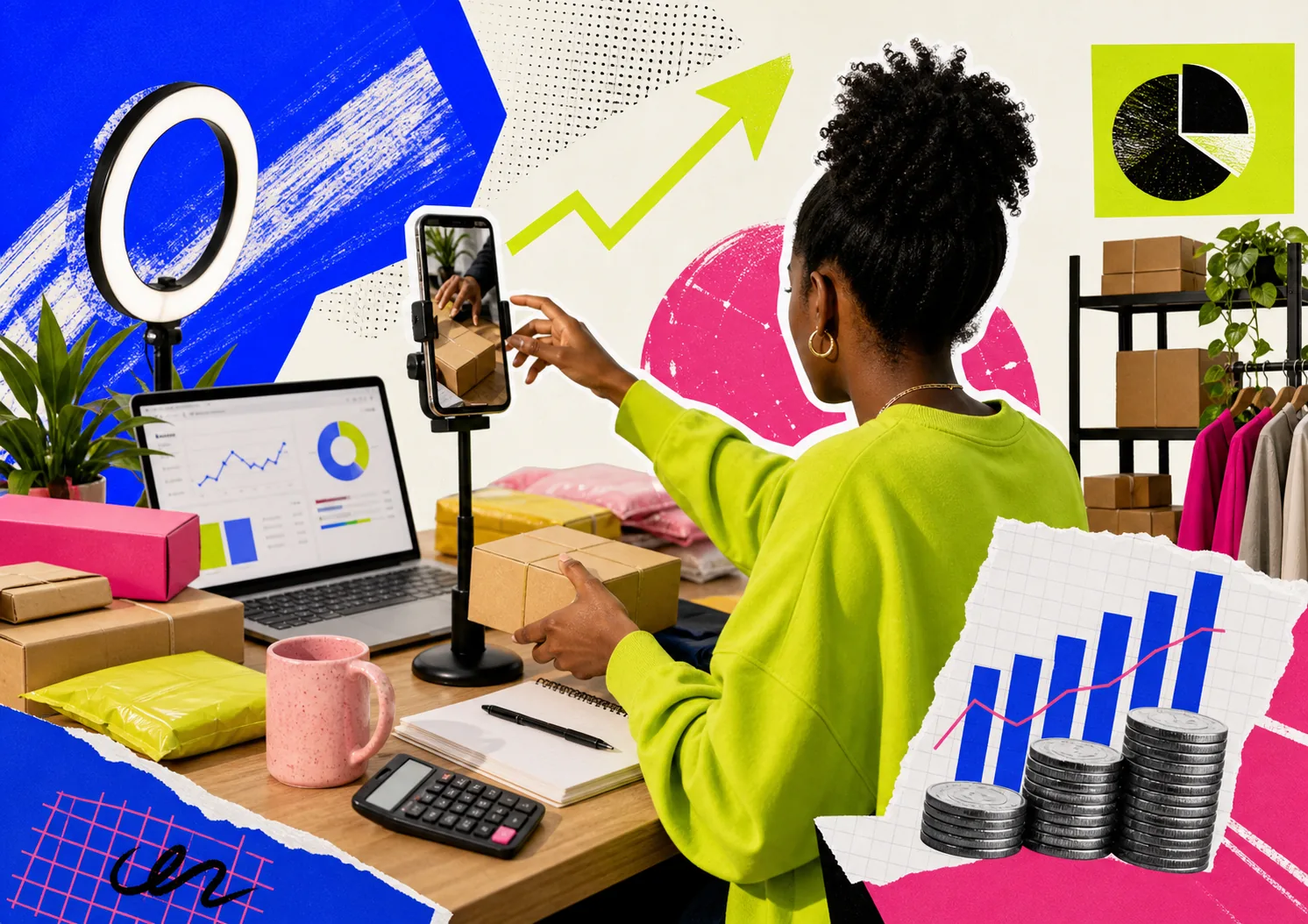
We all know the cycle: A random Kenyan makes a funny video in their bedroom, the TikTok algorithm picks it up, it crosses a million views, and suddenly they are everywhere. They get a few brand deals, maybe an invite to a launch party in Kilimani, and then—six months later—they fade back into obscurity. Going viral is easy. Building a sustainable business out of that virality? That takes strategy.
In 2026, the smartest creators aren't just putting "DM for collabs" in their bios. They are walking into eCitizen, registering Limited Liability Companies (LLCs) or Business Names, and setting up structures that outlive their 15 seconds of fame. The goal has shifted from being a popular influencer to becoming a full-fledged production house, marketing agency, or product founder.
Kenya's creator economy is maturing. The days of accepting a free hoodie in exchange for a dedicated TikTok post are largely over for top-tier talent. Creators have realized that their audiences are extremely valuable to traditional brands, and instead of just acting as digital billboards, they want a piece of the equity.
The Agency Pipeline
One of the biggest trends right now is creators launching their own boutique marketing or talent agencies. Think about it: a 23-year-old who grew their page to 500K followers natively understands Gen-Z psychology, pacing, hooks, and trend cycles far better than a traditional ad agency populated by executives in their 40s.
Brands are increasingly bypassing the big agencies and going directly to creator-owned studios to shoot their campaigns. These creators hire editors, scriptwriters, and videographers—often their peers—creating mini media empires. They don't just feature in the ad; they conceptualize, shoot, edit, and distribute it. By owning the production pipeline, their earning potential multiplies.

From Merch to Mainstream Retail
Beyond services, there’s the product route. We are seeing Kenyan creators moving past basic logo t-shirts and launching serious product lines. Whether it is a haircare line formulated for natural hair, a boutique streetwear brand, or a niche cosmetic product, the strategy is clear: use the audience as the initial customer base, then scale into the mainstream market.
The advantage creators have over traditional startups is distribution. They don't need to spend millions on billboard advertising; they just need to document the process of building the business. This "build in public" content generates hype, pre-orders, and immense customer loyalty. When you buy a product from a creator, you aren't just buying the item—you are investing in their story.
But running a business is fundamentally different from making content. It requires logistics, supply chain management, customer service, and accounting. This is where the LLC becomes vital. It separates personal liabilities from the business and allows creators to hire staff, pay taxes formally, and even seek venture capital funding if they want to scale.
The Business Survival Guide
Own your IP
Never let a brand own the rights to a format you created.
Diversify platforms
Don't build your entire company on an app you don't control.
Keep overhead low
Don't rent an expensive office just for the aesthetic.
Collect emails
Algorithms change, but a solid mailing list is forever.
If you went viral tomorrow, what would you launch?
The transition from creator to founder is not without friction. Many burn out trying to juggle content creation with CEO duties. Some launch products that flop because their audience wanted entertainment, not commerce. But for those who crack the code, the rewards are immense.
The next big Kenyan multinational corporation might not be started by someone in a suit pitching a board of directors. It might be started by someone in a ring light, pointing at text bubbles, and understanding exactly what the internet wants to see.