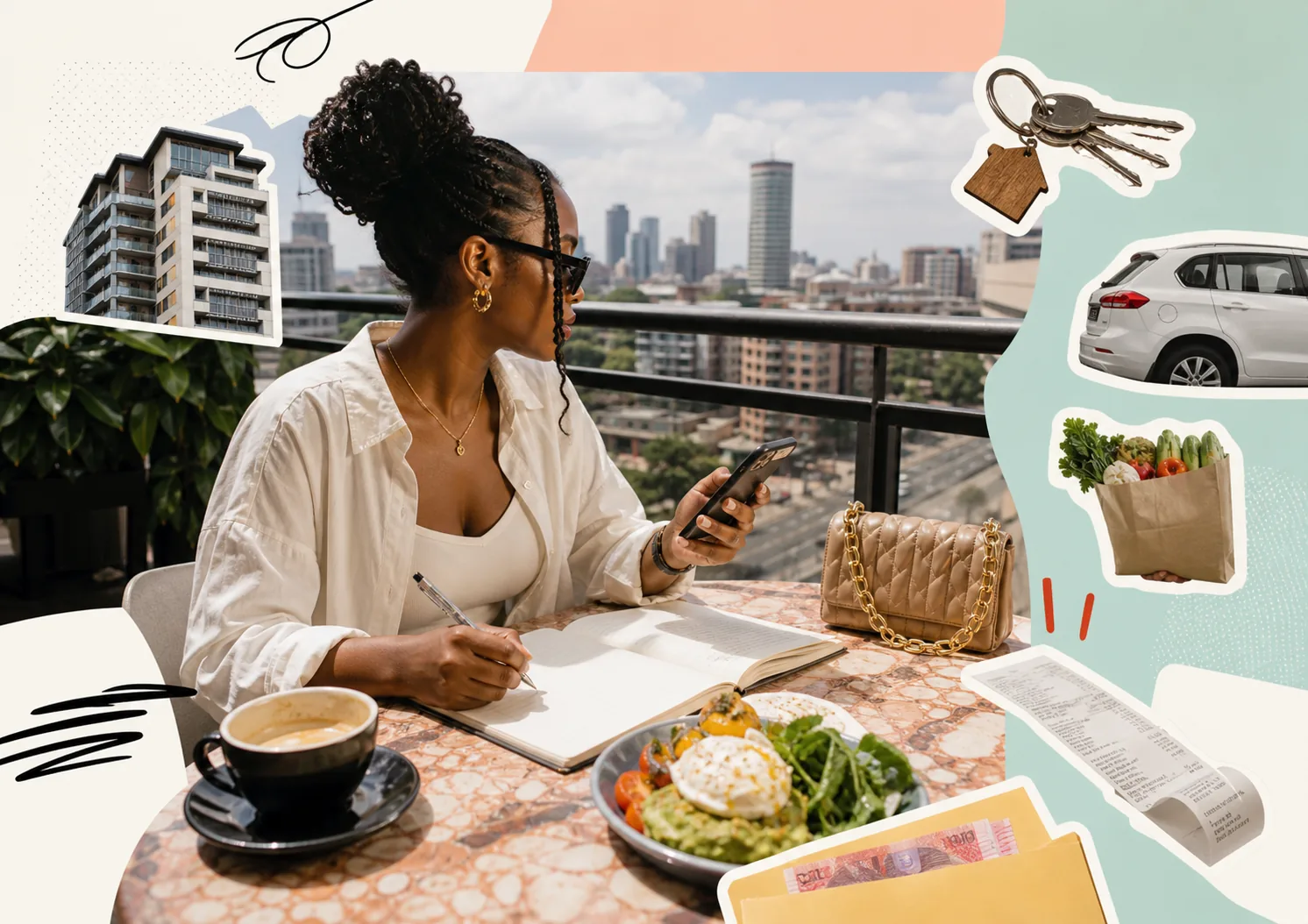
If you scroll through Kenyan TikTok for more than five minutes, you will inevitably encounter the "Soft Life" vlog. It always starts the same way: an alarm clock at 6:00 AM, making an iced matcha latte in an aesthetic glass cup, a quick pilates session, followed by an Uber Black ride to a coworking space in Westlands or a brunch date in Lavington.
It looks peaceful. It looks elevated. And importantly, it looks like the ultimate escape from the chaotic, dust-filled reality of the typical Nairobi hustle. The soft life aesthetic—characterized by slow mornings, high-end groceries, neutral tones, and boundary-setting—has become the aspirational standard for Gen-Z and younger millennials in Kenya. But beneath the curated reels and carefully lit apartment tours lies a stark financial reality: living the soft life in Nairobi is incredibly expensive.
Nairobi is a city of sharp economic contrasts. It is a place where you can buy a plate of chapati and beans for Ksh 150, but also drop Ksh 4,000 on a single cocktail at a rooftop bar. The soft life aesthetic exclusively operates in the latter economy.
Funding the Delusion
Let’s break down the math. A one-bedroom apartment in a "soft life approved" neighborhood like Kilimani, Kileleshwa, or Westlands will cost you anywhere from Ksh 50,000 to Ksh 80,000 in rent alone, excluding utilities. A weekly grocery haul from high-end supermarkets like Zucchini or Chandarana—because the aesthetic demands fresh berries and oat milk—can easily set you back Ksh 10,000. Add in the weekend brunch dates, the gym membership, and the occasional Uber ride, and the monthly burn rate for the soft life easily surpasses Ksh 150,000.
For a demographic dealing with high youth unemployment and stagnant entry-level salaries, funding this lifestyle requires creative financial gymnastics. Some rely on a patchwork of side hustles, digital gigs, and freelance contracts. Others leverage debt, utilizing digital lending apps and credit cards to finance the gap between their actual income and their aesthetic ambitions.

The Illusion of Effortless Wealth
The danger of the soft life trend is that it sells the illusion of effortless wealth. It makes luxury look like self-care. When a Ksh 3,000 brunch is framed as "protecting my peace" and buying expensive skincare is labeled an "investment in my well-being," it becomes very difficult to categorize them as discretionary spending. The language of therapy and wellness has been co-opted to justify aggressive consumerism.
However, there is a counter-movement quietly gaining traction: "Soft Life on a Budget." This involves finding the peace and slowness of the aesthetic without the premium price tag. It means thrifted homeware from Toi Market instead of imported minimalist furniture. It means making coffee at home with local beans rather than a daily Ksh 500 café habit. It’s about realizing that true softness shouldn't come with the crushing anxiety of rent arrears.
How to do Soft Life on a Budget
Host, don't go out
A homemade brunch with friends is cheaper and more intimate.
Thrift your aesthetic
Gikomba and Toi Market have better homeware than the mall.
Audit your subscriptions
You don't need four different streaming services.
Define your own peace
Soft life doesn't have to mean spending money.
What is your biggest 'soft life' expense?
Ultimately, the desire for a soft life is a valid response to the harsh realities of living in a developing economy. Young Kenyans are tired of the "hustle till you drop" mentality that defined previous generations. They want ease, beauty, and rest.
The challenge is decoupling that desire for peace from the demands of a highly consumerist internet culture. A truly soft life shouldn't cost you your financial security. Sometimes, the softest thing you can do for yourself is build an emergency fund instead of buying another matcha latte.