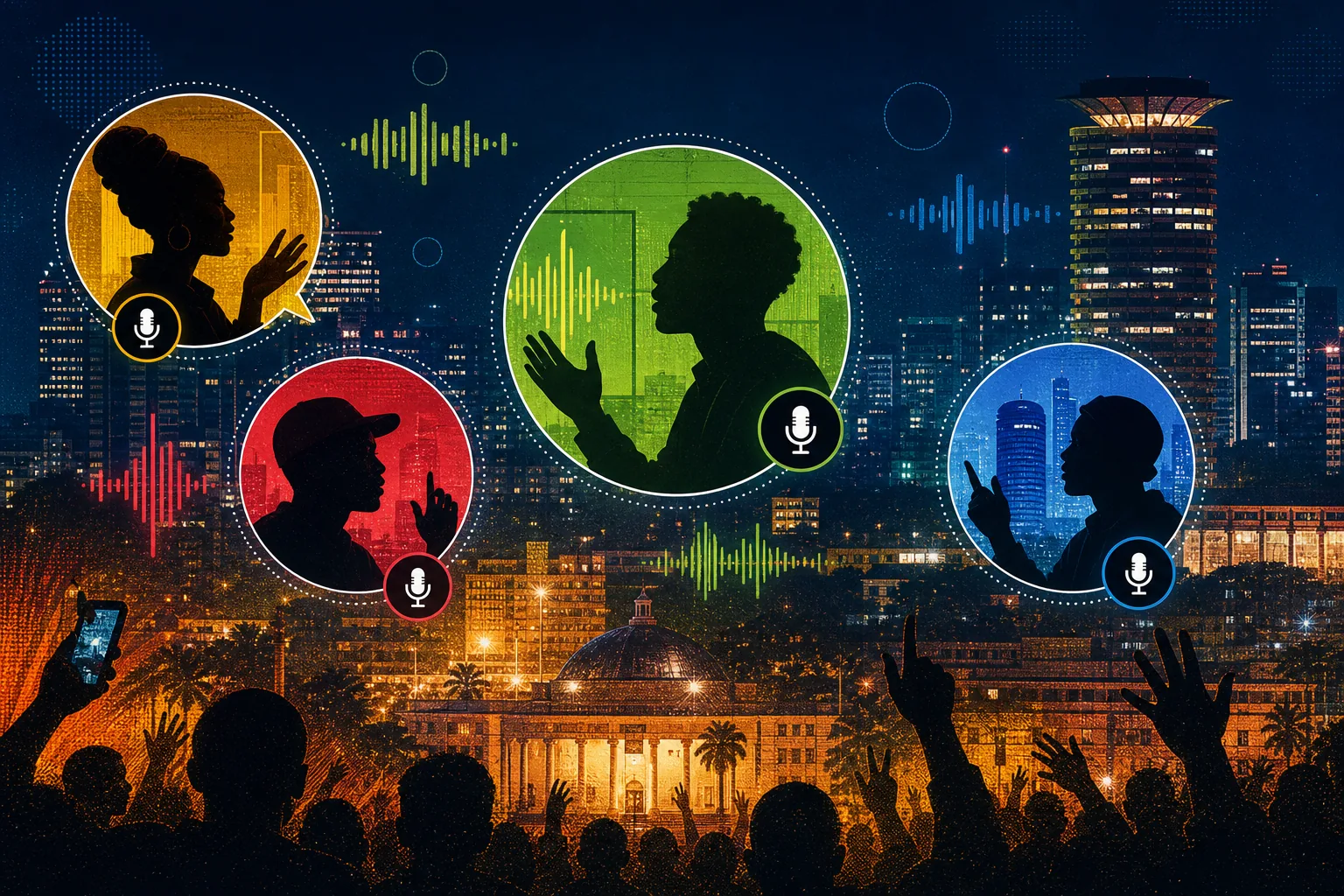
The time is 10:00 PM on a Wednesday. The hashtag #RejectFinanceBill is trending at number one, and in the background of thousands of Kenyan phones, an X Space is running hot. Over 60,000 listeners are tuned in, listening to a 22-year-old law student dismantle a proposed economic policy piece by piece, while a sitting senator struggles to interject.
This is not a rare occurrence anymore. It is the new normal. For Kenyan Gen-Z, X (formerly Twitter) is no longer just a place for memes, unhinged banter, and sports debates. It has mutated into the country's most vibrant, decentralized, and ruthless political arena. When traditional media hesitates and official opposition parties play safe, the timeline steps up.
In a political landscape historically dominated by ethnic arithmetic and campaign rallies, X Spaces have introduced something radical: immediate, unfiltered accountability. You don't need a TV station or a podium. You just need a smartphone, data bundles, and the courage to request the mic.
The Democratization of the Mic
The beauty of the X Space lies in its brutal leveling of the playing field. In a physical rally, the politician stands above the crowd, protected by security and a carefully curated itinerary. In a Space, they are just another speaker icon.
We have seen cabinet secretaries grilled by unemployed graduates, and digital strategists cornered by data analysts wielding PDFs and thread receipts. The traditional PR playbook fails spectacularly here. You cannot gaslight an audience that has the actual budget document open in another tab.
"They come to these Spaces thinking they are going to give us a monologue, like they do on TV," says Kamau, a frequent Space host who runs a tech blog by day. "But within five minutes, someone brings out the receipts. It’s chaotic, yes, but it’s real democracy in real-time."

Beyond the Hashtags
Critics argue that online activism—often dismissed as "slacktivism"—doesn't translate to on-the-ground reality. However, the virtual parliament of X Spaces has proven this wrong on multiple occasions. These digital town halls have become launchpads for tangible action.
Crowdfunding campaigns for legal fees, coordinating medical help during protests, and mobilizing physical demonstrations all find their genesis in the late-night hours of X Spaces. It is an ecosystem of rapid response. When a crisis breaks out, the first question isn't "What is the news saying?" but "Whose Space are we joining?"
The language of this virtual parliament is distinct. It is a mix of Sheng, high-level policy analysis, and pure internet sarcasm. It is accessible yet deeply analytical.
The Pushback from the Establishment
Naturally, this shift in power dynamics hasn't gone unnoticed by the establishment. We’ve seen attempts to hijack Spaces using state-sponsored influencers, mysterious internet outages during crucial debates, and coordinated reporting to take down prominent voices.
Yet, the hydra-like nature of the platform means that when one Space is shut down, three more pop up. The digital opposition is decentralized. It has no single leader to compromise, no headquarters to raid. The movement is sustained by the collective exhaustion and resilience of a generation demanding better.
The Future of Digital Opposition
Real-time Accountability
Policies are debated before they are passed.
Accessible civic education
Complex laws broken down by experts for free.
Community building
Finding solidarity in shared struggles.
Uncensored Truth
Media blackout? The timeline will broadcast it.
How do you consume political news?
As the country moves forward, the virtual parliament is only getting louder. X Spaces have proven that Gen-Z is not apathetic; they just needed a platform that matched their speed and refused to filter their frustration. The microphone is on, and everyone is listening.